There are two major planetary emergencies; climate change and biodiversity loss. Both need urgent attention. Greenspaces can help with both as well as wellbeing. Horticulture is key to the mitigation of these issues. Natural Capital refers to the world’s natural resources including geology, soils, air, water, and living organisms. We depend on these resources for life and the resulting goods and services are referred to as ecosystem services. Degradation of ecosystems results not only in their reduced extent and quality but also their poor resilience and capacity to deliver human benefits.
“Truly sustainable economic growth and development means recognising that our long-term prosperity relies on rebalancing our demand of Nature’s goods and services with its capacity to supply them.” Dasgupta
Green plants have a major impact on climate change through their net uptake of carbon dioxide through photosynthesis. This absorption of carbon by green plants comes under the category of climate change mitigation.
Plants also have a major role in climate change adaptation. This is the category which refers to how we accommodate a rise in temperature and other impacts of climate change such as significant changes in weather patterns such as storms and resulting flooding. Plants have a cooling effect due to their loss of water and through the shade they provide, not just direct to individuals but to whole buildings and in this way would lower the need for air conditioning and the energy that that requires. They can temper the heat island effect of concrete and other building materials. Plants make a major contribution to ecosystem services and as such to resilience. They lessen the impact of flooding by preventing an unhindered flow of water through for example a concrete gulley. Plants take up water and release it more slowly. It does however need consideration of the right plants in the right place. Green rooves, if well designed, can absorb rainfall and slowly release it whilst also acting to insulate the roof. These nature-based solutions enhance our resilience to climatic extremes while protecting biodiversity.
Biodiversity relates to the range and quantity of species that maintain a balanced environment. Since 1970, there has been on average almost a 70% drop in the populations of mammals, birds, fish, reptiles, and amphibians. Around one million animal and plant species – almost a quarter of the global total – are believed to be threatened with extinction. Dasgupta has recognised the threat to our society and linked it to economics proposing that the absence of “ecosystem services” in national balance sheets has only encouraged the exploitation of the natural world.
The 2019 Global Assessment Report on Biodiversity and Ecosystem Service - Intergovernmental Science-Policy Platform on Biodiversity and Ecosystem Services (IPBES) called for transformative changes to restore and protect nature. It found that the health of ecosystems on which we and all other species depend is deteriorating more rapidly than ever, affecting the very foundations of our economies, livelihoods, food security, health and quality of life worldwide. The loss of biodiversity has led DEFRA to respond through an initiative called Biodiversity Net Gain, in which any development should leave biodiversity in a better state than before, although this may involve mitigation in another place to that of the development.
We need green spaces for good mental health and for the impact they can have on air quality. Research over years has shown the positive impact of green spaces on health. Reductions in stress and anxiety can be measured through positive changes to blood pressure, pulse rate, and other physiological factors and can be achieved within 5 minutes when viewing green landscapes. Hospital patients with a view of green space suffer less pain and recover more rapidly. Their requirement for medium to strong pain-killing drugs can be reduced by 25% (Health &Wellbeing Greener Planning Greener UK). Some of the elements which may contribute to this are the noise buffering found in green spaces, improved air quality, the triggers of scent and colour to emotion, pleasant sounds such as the flow of water or bird song and the science of awe when your thoughts are captured by something which demands your sole attention eg watching a butterfly. This latter factor is also known as the attention restoration theory (Kaplan) and it suggests that mental fatigue and concentration can be improved by time spent looking at nature.
Value of green spaces - Livery Climate Action
Group (liverycag.org.uk)
Dasgupta Review: Nature’s value must be included in economics to preserve biodiversity
(cam.ac.uk)
2021/02/02 The Economics of Biodiversity – The Dasgupta Review
So what is the Worshipful Company of Gardeners doing about it? The Company uses the specialist knowledge and experience of Company members to influence and inform decisions and strategies. We are raising awareness, supporting other initiatives, working with others to deliver change as follows:
1) Green City Briefings
The Green City Briefings began in 2021 with a series of eight webinars, supported by the City of London and the Worshipful Company of Gardeners. These sessions presented compelling evidence and examples of the power of ‘living green’ in delivering multiple solutions to city challenges. The focus of this series was on adapting to climate change. Topics included: green roofs and walls, nature-based solutions for water management, urban heat island effect, air-quality, and more.
A second series of briefings began in 2022, thanks to the support of Expo 2023 Doha, Qatar and The Worshipful Company of Gardeners. This series focusses more closely on specific cities and how practice creates transformational change. Each webinar also features experts describing the greening principles that benefit the city, its residents, and nature. A third series was developed for 2024/2025 All of these videos are available to watch.

2) Pan Livery initiatives
2.1 Pollinating London Together (PLT).
“Imagine living in a world without flowers or fruit or even coffee or chocolate. Thanks to the wonderful work of pollinators like bees, much of the food we eat and flowers and plants we enjoy are possible. Human health and well-being are intrinsically linked to the work these amazing creatures do for free. Pollinators ultimately play a role in the majority of what we eat and consume, the flowers we enjoy in our gardens and the countryside we visit.”
The Gardeners Company is one of the two Founder members of this initiative formed in February 2020.
PLT received a grant from the City of London Corporation Community Infrastructure Levy Neighbourhood Fund of £230k, for over two years followed by a second grant of £270k for two years.
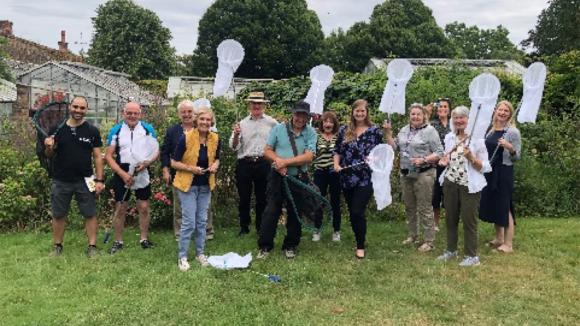
With this funding PLT has been able to build a partnership with University of Reading employing pollinator ecologists and mapping experts, as well as developing a memorandum of agreement with the University which included the initial teacher education department.
PLT works closely with RBG Edinburgh, RBG Kew, Northumbria University, Royal Holloway University and RHS. Supporting students of QMUL and Imperial College.

2.2 Livery Climate Action Group (LCAG)
The Worshipful Company of Gardeners is a Founder Member and has contributed to the website, Awareness raising, the resources such as guidance notes on greenspaces, events and recruitment of members. The Company is making an assessment of its use of carbon dioxide in order to inform our action plan. LCAG works in support of the City of London Corporation Climate Action Strategy.
“The Livery Climate Action Group was formed in 2021 to assist City of London Livery Companies and Guilds to manage their impact on climate change and the environment by reducing carbon emissions and making responsible use of resources. The Group has created a series of Guidance Notes, exemplar Climate Action Plans and other associated resources drawing from the wide expertise within London’s Livery, as part of its ambition to be an invaluable support for Livery Companies in their journeys toward net-zero emissions.
The Group facilitates mutual self-help for Livery Companies and Guilds to grow their knowledge and expertise in the practical measures they can take towards a sustainable, adaptable and resilient future. This will allow them in turn to influence and encourage their associated professions and trades in the City and beyond.
The Group provides educational materials to help Companies engage with schools and other outreach activities.
The formation of the Group was inspired by the City of London’s Climate Action Strategy which set goals for the City to have net zero emissions by 2040; for buildings, public spaces and infrastructure to be resilient to climate change; and for people in the City and beyond to benefit from a clean, green and safe environment.
The Group’s outputs will support these goals, which align with the United Nations Sustainable Development Goals.”
2.3 City of London Biodiversity Action Plan
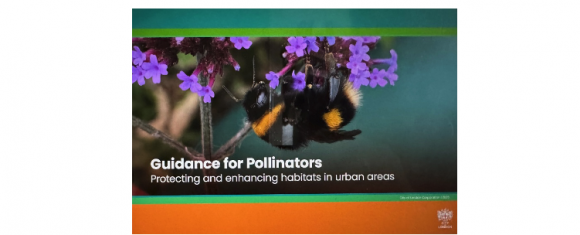
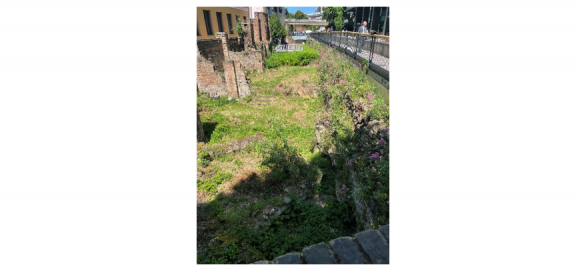
The Action Plan is supported by members of the livery and PLT. A subgroup works on pollinators and is led by two members of the Company. Guidance for management of greenspace for pollinator habitat has been produced.
3) Schools Outreach
The Company also provides major support for its Schools Outreach project. The key objective of the project is to open the eyes of young people to the 60+ careers available to them under the umbrella of horticulture, and to encourage them to pursue this career. The citizen science project supported by PLT as above features in this work and one of the schools has planted a pollinator friendly meadow as a result.
4) Supporting initiatives
Supporting the initiatives of others through charitable funding and providing expertise which would include promoting a sustainable approach to planting. For example:
- The London Children’s Flower Society chaired by Senior Past Master Nick Evans, it runs three garden-based competitions a year mostly in primary schools. London Children's Flower Society – Organising Gardening competitions with London's Primary and Special Needs schools (londonchildrensflowersociety.org)
- London in Bloom Focus is increasing on the celebration of biodiversity, greening of unused spaces and community projects. Bloom aims to increase community involvement, care for our environment, and maintaining our green spaces. London In Bloom
- Metropolitan Public Gardens Association chaired by Senior Past Master Nick Evans. Many initiatives, including the dissemination of disease-resistant elm trees to all London boroughs. Aims to increase biodiversity in the City and contribute to wellbeing through green space. MPGA - Home
5) Prizes for students
Prizes for students such as The King's Trophy. The Company’s annual award to a student who is judged to have shown leadership in the field of sustainable horticulture. The Company presents awards to students of horticulture at Capel Manor College, Royal Botanic Gardens Kew, RHS Wisley, Writtle College and the Royal Parks.
6) Flowers in the City
Started in 1949 in an effort to encourage planting in the City despite the post blitz state. Flowers in the City has continued to develop and remain contemporary over time now championing green spaces small and large. Evolving award criteria include assessment of sustainability and categories now include roof gardens. A new award will celebrate pollinator-friendly planting.

7) PathWays - Routes into Horticulture and the Natural Environment
PathWays is the new identity for the Future Gardeners project, one of the most successful Gardeners Company initiatives, chaired by Sir David Green and led by Paul Rochford, Mike Fitt and others. The programme began in 2015 and the separate charity Future Gardeners (charity number 1191623), incorporated in 2020, has enabled a wide range of students to acquire basic horticultural skills through a variety of training schemes, demonstrations, garden visits and talks given by experts in the field, many within the Livery. Most graduates receive a qualification in horticulture such as a City and Guilds certificate and over 80% of students completing courses have furthered their careers through apprenticeships, further training or employment in the horticultural sector.